
Mark R.
United States
“I used to wake up feeling tight and out of breath. After a couple weeks, mornings felt noticeably easier — like my chest finally had room again.”
Verified Purchase
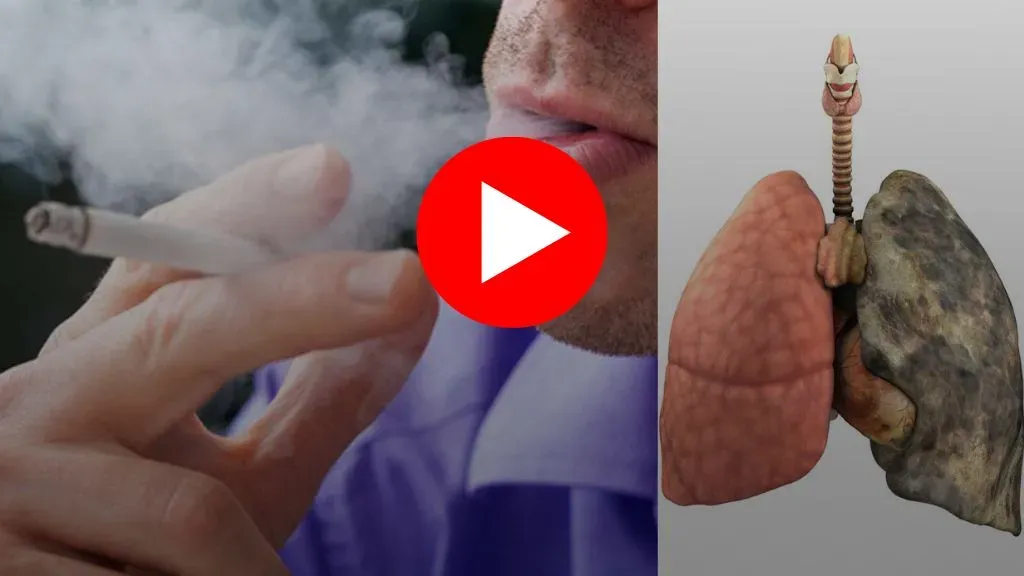
For millions of former smokers, lung decline doesn’t happen overnight… It happens so gradually that most people only notice when everyday life starts getting harder.
Most people blame aging — and move on.
Many are told this is “just part of getting older.”
For the first time… you wonder if something deeper is happening inside your lungs.
Many people eventually hear:
“The damage may be permanent.”
Lung decline rarely stops on its own. For many people, it continues quietly… until everyday freedom starts disappearing.
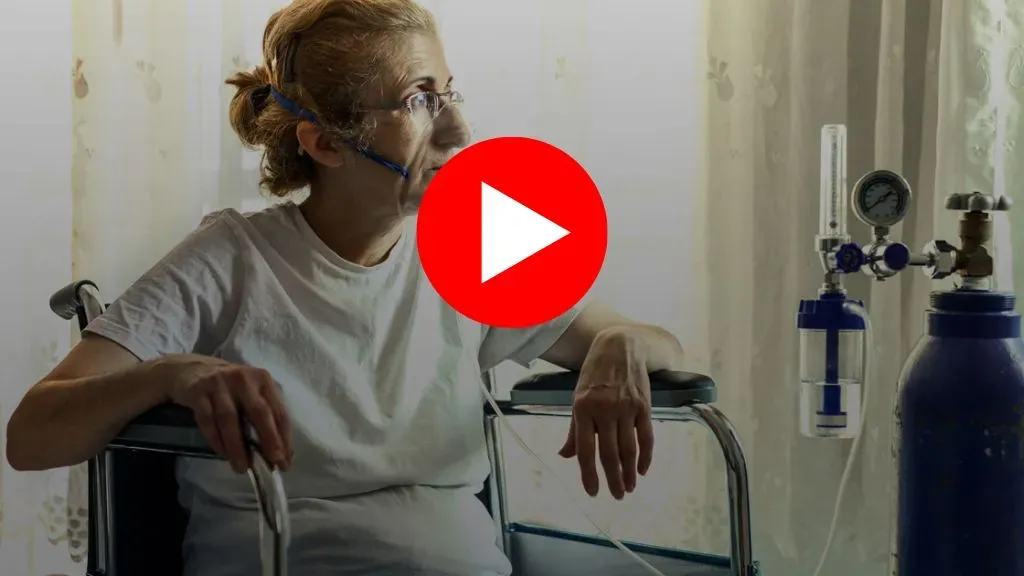
Activities that once felt effortless may begin requiring assistance.
Walking distances shrink. Outings become less frequent.
Many people gradually withdraw from social moments they once loved.
Some eventually hear words they never expected: “There may be little we can do now.”
For decades, many believed lung decline followed a predictable path. But recent observations are leading some specialists to reconsider what may be possible.
Researchers have started exploring how tiny airway structures may respond to specific breathing mechanics — something rarely discussed in traditional patient conversations.
While this does NOT replace medical care, the implications have sparked growing interest among respiratory professionals.
What doctors are quietly beginning to acknowledge may shock the millions living with breathing problems.
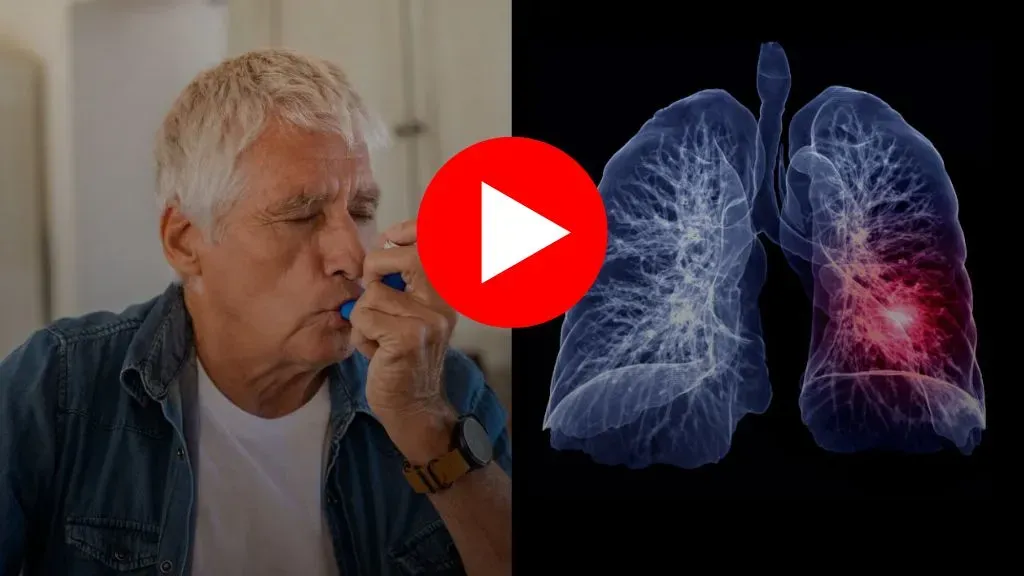
A famous rapper — after more than five decades of smoking — and a 73-year-old Hollywood stuntman were both told to prepare for the slow, irreversible decline of their lungs.
Oxygen dependency. Permanent limitation. No way back.
But before accepting that future… they uncovered something most patients are never told.
When these pathways remain blocked, even powerful inhalers may fail to deliver meaningful relief.
The stuntman reportedly could not walk to his mailbox without stopping. The rapper struggled to finish a single verse without fighting for air.
Within weeks, observers described noticeable changes in stamina, breathing comfort, and daily mobility.
Today, health insiders are calling this one of the most unexpected respiratory discussions emerging in years.
Because this information is rapidly spreading, a short educational presentation has been made available to the public — for now.
▶ Watch The Presentation Before Access Changes
“I used to wake up feeling tight and out of breath. After a couple weeks, mornings felt noticeably easier — like my chest finally had room again.”

“The constant throat clearing was driving me crazy. I didn’t expect much… but my breathing felt smoother and I wasn’t coughing as often.”

“I could feel the difference on stairs. That ‘air hunger’ feeling started fading and I felt more confident going out without worrying I’d get winded.”
Many people don’t realize how much their breathing has slowly changed — until everyday moments start feeling “harder than they should.”
You plan your day around where you can sit… because standing too long feels exhausting.
Stairs feel “personal” now — like your body is arguing with you.
You avoid bending down… because you know how uncomfortable it gets.
You’ve tried inhalers, routines, advice… but you still feel like your lungs never fully “open.”
You catch yourself taking shallow breaths — almost unconsciously — just to “get through” the moment.
You miss the old feeling of breathing without thinking about it.


Related lung health reports you may find useful